

Reklam Fikri Testi: Fikirleri Önce Test Etmek İçin Pazarlamacı Rehberi
Etkili reklam fikri testiyle reklam bütçenizden en iyi sonucu alın. Fikirlere erken geri bildirimin pahalı hataları nasıl önleyebileceğini keşfedin.

Reklam fikri testi, üretime veya medyaya gerçek para harcamadan önce tamamlanmamış reklamı, storyboard’u, animatiği veya kaba senaryoyu hedef kitlenizin bir örneklemine göstermektir. Sonuç: Kampanyanın arkasında anlamlı bütçe varsa bu adımı atlamanın riski size aittir.
Kısa gerekçe şöyle:
- Neyi kanıtlar? Kreatif fikrinizin amaçladığınız mesajı iletip iletmediğini ve insanları kafa karışıklığı yerine satın alma niyetine yaklaştırıp yaklaştırmadığını.
- Tipik getirisi: Zayıf fikri üretimden önce yakalamak, yeniden çekim yerine yeniden yazarak düzeltmek demektir. Reklamcılığın en pahalı hatası, reklam zaten üretildikten sonra test etmektir.
- Başlamanın en basit yolu: Üretim bütçesine dokunmadan bile, tekli değerlendirme tasarımıyla iki veya üç fikri karşılaştıran kısa çevrimiçi anket yapın.
Fikir testini üç noktada yapın: Fikir aşaması (kaba çizimler veya senaryolar), üretim öncesi (storyboard veya animatik) ve yayın öncesi (tam yayından hemen önce A/B testi).
Öne çıkan noktalar
Reklam fikri testi, zayıf fikirleri düzeltmek henüz yeniden çekim yerine yeniden yazım maliyetindeyken ortaya çıkardığı için çalışır. Sonuçların herhangi bir anlamı olup olmadığını ise temsil gücü olan örneklem belirler.
| Konu | Ayrıntılar |
|---|---|
| Üretimden önce test edin | Zayıf fikri storyboard veya animatik aşamasında yakalamak, sonradan pahalı yeniden çekimleri önler. |
| 2 ila 4 fikir kullanın | Bu aralık araştırma maliyetini veya katılımcı yorgunluğunu şişirmeden yeterli istatistiksel ayrım sağlar. |
| Örneklem kalitesi vazgeçilmezdir | Kota kontrollü, temsil gücü olan paneller; iş arkadaşları veya dostlar gibi kolay ulaşılabilir örneklemlerden her zaman üstündür. |
| Yöntemi hedefle eşleştirin | Tekli değerlendirme anketleri tarafsız ilk izlenimlere, sıralı tekli değerlendirme ise hızlı sıralamalara uygundur. |
| Elemede yapay zekâ kullanın, sonra doğrulayın | POPJAM’in sentetik persona testi alanı hızla daraltır; büyük harcamadan önce insan paneliyle doğrulama yapılır. |
İçindekiler
- Neler reklam fikri testi sayılır?
- Yayından önce fikirleri test etmek neden karşılığını verir?
- Geliştirme sırasında fikir testi ne zaman yapılmalı?
- Ana reklam fikri testi yöntemlerinin karşılaştırması
- Gerçekten sağlam bir fikir testi nasıl tasarlanır?
- Sonuçları kreatif kararlara dönüştürmek
- Planlamanız gereken süreler ve maliyetler
- Doğru test yaklaşımını veya ortağını seçmek
- Yapay zekâyla sentetik persona testi iş akışına nasıl uyar?
- Deneyimli araştırmacılar fikir testinde neleri doğru ve yanlış yapar?
- İlk test turunu POPJAM’e bırakın
- Kaynaklar
- Sık sorulan sorular
Neler reklam fikri testi sayılır?
Reklam fikri testi, son kurgulardan ve medya satın alımlarından çok önce kreatif sürecinin başında yer alır. Reklamın ne kadar özenle bitirildiğini değil, arkasındaki fikri değerlendirir. Tamamlanmış reklamdan çok ucuz bir şey kullanarak, temel mesajın, yaklaşımın veya duygusal girişin gerçek insanlarda karşılık bulup bulmadığını sorarsınız: Storyboard, sesli okunan senaryo, kaba animatik veya tek statik taslak bile olabilir.
Bu, pazarlamacıların sıkça birbirine karıştırdığı birkaç yakın terimden farklıdır:
- Fikir testi stratejik fikrin kendisini, genellikle gerçek üretim parası harcanmadan en erken aşamada değerlendirir.
- Reklam içeriği testi (bazen ön test denir), yayından hemen önce hatırlama, anlama ve beğenilme gibi unsurları kontrol ederek son hâline yakın veya tamamlanmış uygulamayı değerlendirir.
- Reklam ön testi çoğu zaman ikisini kapsayan şemsiye terimdir; ancak pratikte son materyale daha yakın şeyi test etmeye eğilimlidir.
Hangi aşamada olduğunuzu bilmek önemlidir; çünkü hâlâ neyi düzeltebileceğinizi değiştirir. Fikir testinde zayıf stratejik yaklaşımı yakalarsanız briefi yeniden yazarsınız. Aynı sorunu video çekildikten sonra reklam içeriği testinde yakalarsanız yeniden çekim gerekir.
Reklam fikri testinde kullanılan yaygın uyaranlar:
- Storyboard’lar (reklamın akışını gösteren sıralı çizimler)
- Animatikler (geçici seslendirme veya hareket içeren kaba video sürümleri)
- Ses veya metin olarak okunan seslendirme senaryoları
- Sosyal veya görüntülü reklamlar için statik görsel taslaklar
- Kısa, son rötuşları yapılmamış video kurguları
- Akışta görüneceği gibi biçimlendirilmiş sosyal gönderi taslakları
Çoğu test programı aynı anda iki ila dört fikri karşılaştırır. Bu, araştırma bütçesini patlatmadan veya katılımcıları anlamlı biçimde karşılaştıramayacakları seçeneklerle bunaltmadan fikirler arasında yeterli istatistiksel ayrım sağlar.
Yayından önce fikirleri test etmek neden karşılığını verir?
Reklam fikri testinin iş gerekçesi, ikisi de metriklerinizde doğrudan görünen risk azaltma ve netliğe dayanır.
- Boşa giden medya harcamasını azaltır. Zayıf fikri yaygınlaştırmaya harcanan para, kampanya yayındayken geri alamayacağınız paradır.
- Marka artışını yükseltir. Netlik ve beğenilmede iyi test sonucu alan fikirler, kafa karıştıranları zaten elediğiniz için bu avantajı yayına da taşıma eğilimindedir.
- İtibar riskinden kaçınır. Test edilmemiş kreatif, iç ekibin yakalayamadığı biçimlerde kültürel bağlamı yanlış okuyabilir. Pepsi’nin Kendall Jenner reklamı nedeniyle karşılaştığı tepki, yayınlanmadan önce gerçek kitle incelemesinden geçmemiş fikrin klasik örneğidir.
- Mesaj netliğini artırır. Fikir testindeki teşhis soruları, izleyicilerin tam nerede kafasının karıştığını ortaya çıkarır. Hiçbir iç inceleme toplantısı bunu güvenilir biçimde sağlayamaz.
Bu faydalar doğrudan standart araştırma metriklerine bağlanır: Marka artışı, hatırlama, satın alma niyeti ve reklamın beğenilmesi, çoğu fikir testinin değiştirmek için kurulduğu sayılardır. Testte netlik ve ayırt edicilik açısından iyi puan alan fikrin kalabalık akışta fark edilme olasılığı daha yüksektir.
Yatırım getirisi mantığı basittir: Yayından önce karşılık bulan kreatif, pazardaki performansı düşürecek belirsizliği ve zayıf sunumu zaten çıkardığınız için yayında da daha iyi performans göstermeye eğilimlidir.
Geliştirme sırasında fikir testi ne zaman yapılmalı?
Zamanlama bulguların gerçekte ne kadar faydalı olacağını belirler. Çok geç test ederseniz zaten para ödediğiniz kararı gerekçelendirmeye sıkışırsınız.
- Fikir ve brief aşaması. Biri senaryoya dokunmadan stratejik yönleri elemek için yalnızca yazılı açıklama veya çizim bile olsa kaba fikirleri test edin.
- Senaryo, storyboard veya animatik aşaması. Çoğu resmî fikir testi için en uygun nokta budur. Değerlendirecek kadar fikir geliştirilmiştir; ancak değişiklikler hâlâ ucuzdur.
- Üretim prototipi aşaması. Son hâline yakın kurgular, tempo, seslendirme tonu ve görsel netlik gibi bitirme sorunları için test edilir.
- Yayın öncesi A/B veya pazarda kontroller. Yayından hemen önce veya sonra, harcamayı ölçeklemeden hangisinin performans gösterdiğini doğrulamak için küçük bütçeleri varyantlara bölün.
Kampanya yüksek medya harcaması, hassas konu veya kanıtlanmamış kreatif yön içeriyorsa testi öne çekin. Zaten doğrulanmış fikirde küçük rötuşlar yapıyorsanız daha geç test edin veya tam bir turu atlayın.
Uzman ipucu: Fikir testini tek seferlik kapı olarak görmeyin. Yinelemeli çalışan kreatif ekipler, tek büyük çalışma yapıp bitti demek yerine her aşamada hafif test yapar; sorunları düzeltmesi hâlâ ucuzken yakalar.

Ana reklam fikri testi yöntemlerinin karşılaştırması
Farklı yöntemler farklı soruları yanıtlar. Hedefe yanlış yöntemi seçmek hem zaman hem bütçe kaybettirir. Ana kategorilerin karşılaştırması şöyle.
| Yöntem | Tipik maliyet | Tamamlanma süresi | En uygun kullanım |
|---|---|---|---|
| Çevrimiçi anketler (tekli/sıralı değerlendirme) | Düşük ile orta | 2 ila 5 gün | Fikirler arasında mesaj netliği ve niyet karşılaştırması |
| Nitel gruplar (odak grupları, görüşmeler) | Orta | 1 ila 3 hafta | Tepkilerin arkasındaki “neden”i derinlemesine keşfetmek |
| Laboratuvar nöropazarlaması (göz takibi, yüz ifadelerinin kodlanması) | Yüksek | 3 ila 6 hafta | Bilinçaltı dikkat ve duygusal tepkiyi teşhis etmek |
| Pazarda A/B testi | Düşük ile orta | Günler (artı medya harcaması) | Fikirler son hâline yaklaştığında performansı doğrulamak |
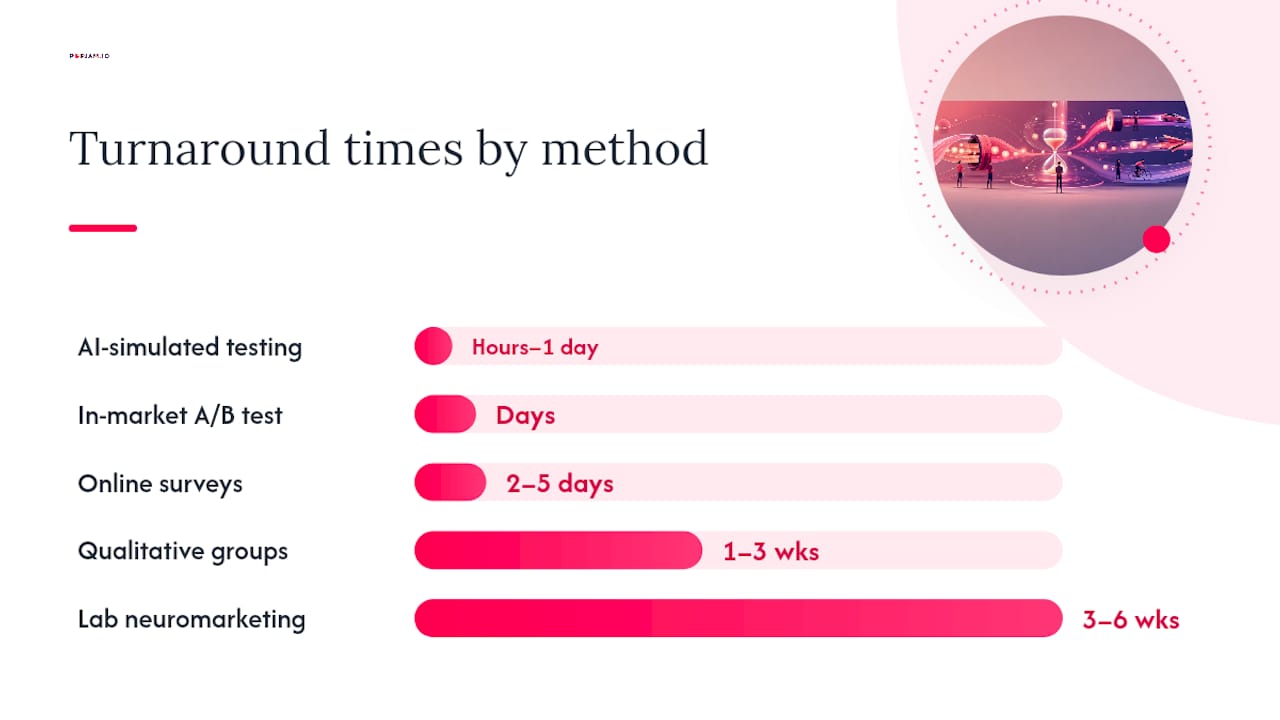
| Yapay zekâyla simüle edilmiş persona testi | Düşük | Saatler ile 1 gün | Çok sayıda fikirde hızlı erken eleme |
Anketler (tekli ve sıralı tekli değerlendirme). Tekli değerlendirme tasarımında her katılımcı yalnızca bir fikir görüp puanlar. Bu, doğrudan karşılaştırma yanlılığını kaldırır ve gerçek izleyicinin doğal ortamda vereceği tepkiye yaklaştırır. Sıralı tekli değerlendirme, her katılımcıya sırayla birden fazla fikir gösterir. Bu saflığın bir kısmından vazgeçer; ancak daha hızlı ve küçük örneklemle doğrudan sıralama üretir. Dürüst ilk izlenim gerektiğinde tekli, hızlı zorunlu sıralama gerektiğinde ve biraz sıra etkisi yanlılığını kabul edebildiğinizde sıralı tekli değerlendirme kullanın.
Nitel gruplar. Odak grupları ve birebir görüşmeler ankete göre yavaş ve pahalıdır; ancak fikrin neden karşılık bulmadığını anlamada onları geçemezsiniz. Ödün ölçekle ilgilidir: Az sayıda kişiyi dinlersiniz ve grup dinamikleri görüşleri ilk veya en yüksek sesle konuşana kaydırabilir.
Laboratuvar nöropazarlaması. Göz takibi ve yüz ifadelerinin kodlanması, insanların ifade edemediği veya kabul etmediği tepkileri yakalar: Statik reklamda dikkatin gerçekten nereye gittiği veya sözlü yanıta hiç girmeyen anlık kafa karışıklığı gibi. Bu teşhis derinliği gerçek maliyet ve zaman gerektirir; bu nedenle rutin fikir kontrollerinden çok yüksek riskli kampanyalara ayrılır.
Pazarda A/B testi. Canlı varyantları küçük reklam bütçeleriyle çalıştırmak, beyan edilen niyeti değil gerçek davranışta olanı söyler. Ancak son kreatife yakın bir şey ve harcanacak canlı bütçe gerekir. Bu, onu erken filtre yerine doğrulama adımı yapar.
Yapay zekâyla simüle edilmiş persona testi. Sentetik kitle tepkileri üreten platformlar, katılımcı bulma, planlama veya saha gecikmesi olmadığı için insan panelinin gerçekçi olarak izin vereceğinden çok daha fazla fikri çok daha hızlı test etmenizi sağlar. Artıları hız ve hacimdir; karşılığında simüle edilmiş tepkiler yön gösterici sinyaldir, büyük harcama taahhüdünden önce gerçek katılımcılarla doğrulamanın yerini almaz.
Isı haritaları, TURF analizi ve metin analizi gibi ileri teşhisler, temel yöntemlerin yerine geçmek yerine çoğu zaman üstüne eklenir; zaten topladığınız dikkat ve tercih verilerine ikinci bakış sağlar.
Gerçekten sağlam bir fikir testi nasıl tasarlanır?
Kötü tasarlanmış test, yanlış güven verdiği için hiç test yapmamaktan kötüdür. Çalışmayı dürüst tutan sıra şöyle.
- Hedefi tanımlayın. Stratejik yönleri mi eliyorsunuz, son hâline yakın uygulamayı mı doğruluyorsunuz? Bu karar sonraki her şeyi yönlendirir.
- Metrik karışımınızı seçin. Her şeyi aynı anda ölçmek yerine iki veya üç temel metrik (hatırlama, beğenilme, satın alma niyeti) seçin.
- Uyaran formatını seçin. Formatı aşamayla eşleştirin: Fikir aşaması testleri için çizimler, storyboard aşaması testleri için animatikler.
- Yöntemi seçin. Tarafsız ilk izlenim için tekli değerlendirme anketi, hızlı sıralama için sıralı tekli değerlendirme, derinlik için nitel yöntem.
- Gösterim ve teşhis sorularını yazın. Anketi üç bölümde kurun: Gösterim, tepki, teşhis.
- Rastgeleleştirmeyi programlayın. Sıra etkisi yanlılığı sonuçları çarpıtmasın diye fikir sırasını ve katılımcı atamasını değiştirin.
Örneklem kalitesi, üzerine kurulan her şeyi başarıya veya başarısızlığa götürür. Kolay ulaşılabilenlerden seçmek yerine yaş, cinsiyet ve kategori kullanımı için kota kontrolleri olan temsil gücü yüksek paneller kullanın. Kolayda örneklemler, iş arkadaşları, dostlar ve iç ekipler, tüm çalışmayı sessizce zayıflatan yanlılık getirir; çünkü bu kişiler markanızı zaten bilir ve yabancının ilk izlenimini tekrarlayamaz. Örneklemde, yön gösterici anket fikir hücresi başına 100 ila 150 katılımcıyla çalışabilir. Büyük medya kararını besleyecek çalışma, istatistiksel güven için hücre başına 300 veya daha fazlasını hedeflemeli.
Sağlam soru kümesi üç parçalı yapı izler:
- Gösterim: Fikri gösterin, sonra basit doğrulama sorusu sorun (“Bu reklamın ana mesajı neydi?”).
- Tepki: Netliği, beğenilmeyi ve satın alma niyetini standart ölçekte puanlatın.
- Teşhis: Açık uçlu devam soruları sorun: “Varsa, ne kafa karıştırıcıydı?” ve “Satın alma ihtimalinizi ne artırırdı?”
Uzman ipucu: Panelinizi kategori ilgililiği açısından saha çalışmasından sonra değil önce eleyin. Kategorinizde hiç alışveriş yapmamış katılımcı, soruyu ne kadar dikkatli yazarsanız yazın satın alma niyetine ilişkin anlamlı değerlendirme veremez.
Örneklemi doğru kurmak, yalnızca bu aşamada değil çalışmanın her aşamasında yanlılığı dışarıda tutan daha geniş kitle araştırması yöntemlerine doğrudan bağlanır.
Sonuçları kreatif kararlara dönüştürmek
Karar kuralı olmayan sayılar sunumda kalır. Tek yanıt toplamadan önce “kazanç”ın neye benzediğine karar verin.
İzlemeye değer temel metrikler:
- Hatırlama: Katılımcılar kısa aradan sonra reklamın mesajını hatırlayabiliyor mu?
- Yardımlı ve yardımsız bilinirlik: Markayı ipucuyla mı, ipucusuz mu tanıyorlar?
- Mesajı anlama: Gerçekte ne söylemek istediğinizi anladılar mı?
- Satın alma niyeti: Fikir beyan edilen satın alma olasılığını değiştirdi mi?
- Beğenilme: Fikirden hoşlandılar veya onunla bağ kurdular mı?
- Ayırt edicilik: Aynı alandaki rakip reklamlardan ayrılıyor mu?
Yaygın sonuç örüntüleri farklı tepkiler gerektirir:
- Net kazanan: Bir fikir birincil metrikte anlamlı farkla liderdir. İlerletin ve teşhis geri bildirimini son üretim turuna katın.
- Bölünmüş sonuçlar: Fikirler metrikler arasında sırayla kazanır. Kampanya hedefinize en doğrudan bağlı metriğe ağırlık verin (doğrudan tepki için niyet, marka bilinirliği için hatırlama) ve kararı o versin.
- Teşhisle düzeltilebilir sorunlar: Fikir belirli, adlandırılabilir nedenle düşük performans gösterir (kafa karıştırıcı seslendirme, belirsiz teklif). Tüm fikri atmak yerine o unsuru düzeltip yeniden test edin.
Proje başına 2 ila 4 fikir test etmek, saha maliyetlerini yönetilebilir tutarken güvenli karar için yeterli ayrım sağlar. Çoğu araştırma ekibi bu oranı, getiriler azalmaya başlamadan önceki pratik üst sınır sayar.
Planlamanız gereken süreler ve maliyetler
Fikir testini bütçelendirmek, takvimi yönteme değil yöntemi gerçek takviminize uydurmaktır.
Tekli değerlendirme tasarımlı çevrimiçi anket, uyaranlar hazır olduğunda genellikle iki ila beş günde tamamlanır. Nitel gruplar, katılımcı bulma, planlama ve moderasyonla bir ila üç hafta sürer. Laboratuvar nöropazarlaması çalışmaları, özel ekipman ve analiz nedeniyle üç ila altı hafta alır. Yapay zekâyla simüle edilmiş persona testi saatler içinde yön gösterici sonuç döndürebilir; uzun fikir listesini gerçek insanlara göstermeye değer kısa listeye indirirken faydalı olmasının nedeni budur.
Bütçelenecek maliyet unsurları:
- Örneklem temini ve panel hedeflemesi (daha geniş kotalar daha pahalıdır)
- Uyaran üretim düzeyi (özenli animatik, kaba çizimden daha pahalıdır)
- Raporlama derinliği (üst düzey özet veya tam teşhis sunumu)
- Kota karmaşıklığı (birden fazla demografik segmentte test saha maliyetini katlar)
Kampanya harcamasının ne kadarının teste gitmesi gerektiğine dair evrensel kural yoktur; ancak altı haneli medya alımında bunu yuvarlama farkı saymak, zayıf fikirlerin pazara çıkmasına yol açar. Sona eklemek yerine üretim takvimine yerleştirilmiş yayın öncesi test uygulama rehberi, bu maliyeti telaşlı bir iş yerine öngörülebilir kılar.
Doğru test yaklaşımını veya ortağını seçmek
Her yöntem veya sağlayıcı güveninizi hak etmez. Kötü çalışma, yanlış güven vererek hiç çalışmadan daha çok zarar verebilir.
Sağlayıcı ve yaklaşım kontrol listesi:
- Örneklem kalitesini doğrular ve panel temin yöntemini baştan gösterir
- Doğru rastgeleleştirme ile tekli veya sıralı tekli değerlendirme tasarımı uzmanlığı kullanır
- Sonuçları hâlâ uygulanabilir olacak kadar hızlı sunabilir
- Yalnızca üst düzey puanlar değil gerçek teşhis analizi sunar
- AB’deki katılımcılar için GDPR uyumu dahil net gizlilik uygulamalarıyla verileri yönetir
Şu uyarı işaretlerine dikkat edin:
- “Hedef kitle araştırması” diye sunulan kolayda örneklemler
- Fikir sırasının veya katılımcı atamasının rastgeleleştirilmemesi
- Tepki soruları olup teşhis amaçlı “neden” soruları olmayan anketler
- Arkasındaki yöntem olmadan puan veren raporlama
Özel araştırma işlevi olmayan küçük ekipler genellikle hızlı çevrimiçi anket veya yapay zekâ simülasyonlu ön testle fikirleri eleyerek başlamalı; ardından yalnızca finalistler için nitel veya laboratuvar yöntemlerine yatırım yapmalı. Tekrarlayan kampanya döngülü kurumsal programlar, her seferinde sıfırdan başlamak yerine testler arası karşılaştırılabilirlik için sürekli panel ilişkisi ve tutarlı metrik çerçevesi kurmaktan fayda görür.
Yapay zekâyla sentetik persona testi iş akışına nasıl uyar?
Popjam’in arkasındaki yaklaşım olan yapay zekâ destekli sentetik persona testi, yukarıdaki yöntemlerin yerini almaz. Önlerinde yer alır; geniş fikir alanını doğrulamak için gerçek araştırma bütçesi harcamaya değer olanlara indirir.
Tipik iş akışı şöyle: Birkaç kreatif yön üretin, yön gösterici tepki verisi almak için sentetik persona simülasyonundan geçirin, en iyi puan alan fikirlere öncelik verin, sonra medya bütçesi ayırmadan önce gerçek katılımcılarla doğrulayıcı tekli değerlendirme anketi yapın. Daha hızlı yineleme ve daha düşük fikir başı maliyet, geleneksel araştırma takviminin izin vereceğinden çok daha geniş kreatif alanı keşfetmeyi mümkün kılar.
Yapay zekâ simülasyonlu geri bildirim kullandığınızda yapılmaya değer doğrulama kontrolleri:
- Son karardan önce en yüksek puanlı fikirleri en az bir insan paneliyle karşılaştırın
- Simüle persona tepkilerini, neyin çalıştığını zaten bildiğiniz geçmiş kampanya verileriyle karşılaştırın
- Simüle sonuçları nihai performans öngörüsü değil sıralama sinyali sayın
- Simüle ve erken insan geri bildirimlerinin belirgin ayrıldığı fikirleri işaretleyin, nedenini araştırın
Sentetik test önce nereye bakacağınızı söyler. Fikri gerçek insanlara gösterip neyin gerçekten karşılık bulduğunu gördüğünüz anın yerini almaz.
Sınırlar geçerliliğini korur. Yüksek riskli kampanyalar, hassas kültürel konular veya büyük medya harcaması olan işler, simüle sinyal ne kadar güçlü görünürse görünsün yayın öncesi insan paneli veya laboratuvar doğrulaması gerektirir.
Deneyimli araştırmacılar fikir testinde neleri doğru ve yanlış yapar?
En iyi fikir testi uygulayıcıları kısa bir alışkanlık listesi paylaşır; bunları açıkça adlandırmak faydalıdır.
- Tek soru yazmadan önce hedefi tanımlayın. Verilecek net karar olmadan test yapmak herkesin zamanını harcar.
- Kötü fikri düzeltmek hâlâ yeniden çekim yerine yeniden yazım maliyetindeyken erken test edin.
- Tüm kararı tek veri kaynağına bağlamak yerine en az iki yöntemle, anket ve teşhis amaçlı devam çalışmasıyla doğrulayın.
- Karar eşiklerini, favori fikri gerekçelendirme isteğinin başladığı veri sonrasında değil, hiçbir veri görmeden önce belirleyin.
Tekrarlanmaya değer uyarı: Örneklem yanlılığı ve iç incelemenin sonuçları şişirmesi, kusurlu soru ifadelerinden daha çok çalışmayı sessizce bozar. Zaten marka üzerinde çalışanlarla dolu odada kazanan fikir, akışta önünden geçen yabancılarda nadiren aynı biçimde kazanır.
İlk test turunu POPJAM’e bırakın
POPJAM, fikir testini haftalar süren araştırma projesinden, bir sonraki üretim toplantınızdan önce yapabileceğiniz işe dönüştürür. Fikrin potansiyeli olup olmadığını öğrenmek için panel katılımcılarının bulunmasını beklemek yerine, aynı öğleden sonra kreatif üretip sentetik alıcı personalarıyla kitle tepkilerini simüle eder, gerçek araştırma bütçesini yalnızca zaten iyi puanlı fikirleri doğrulamaya harcarsınız.
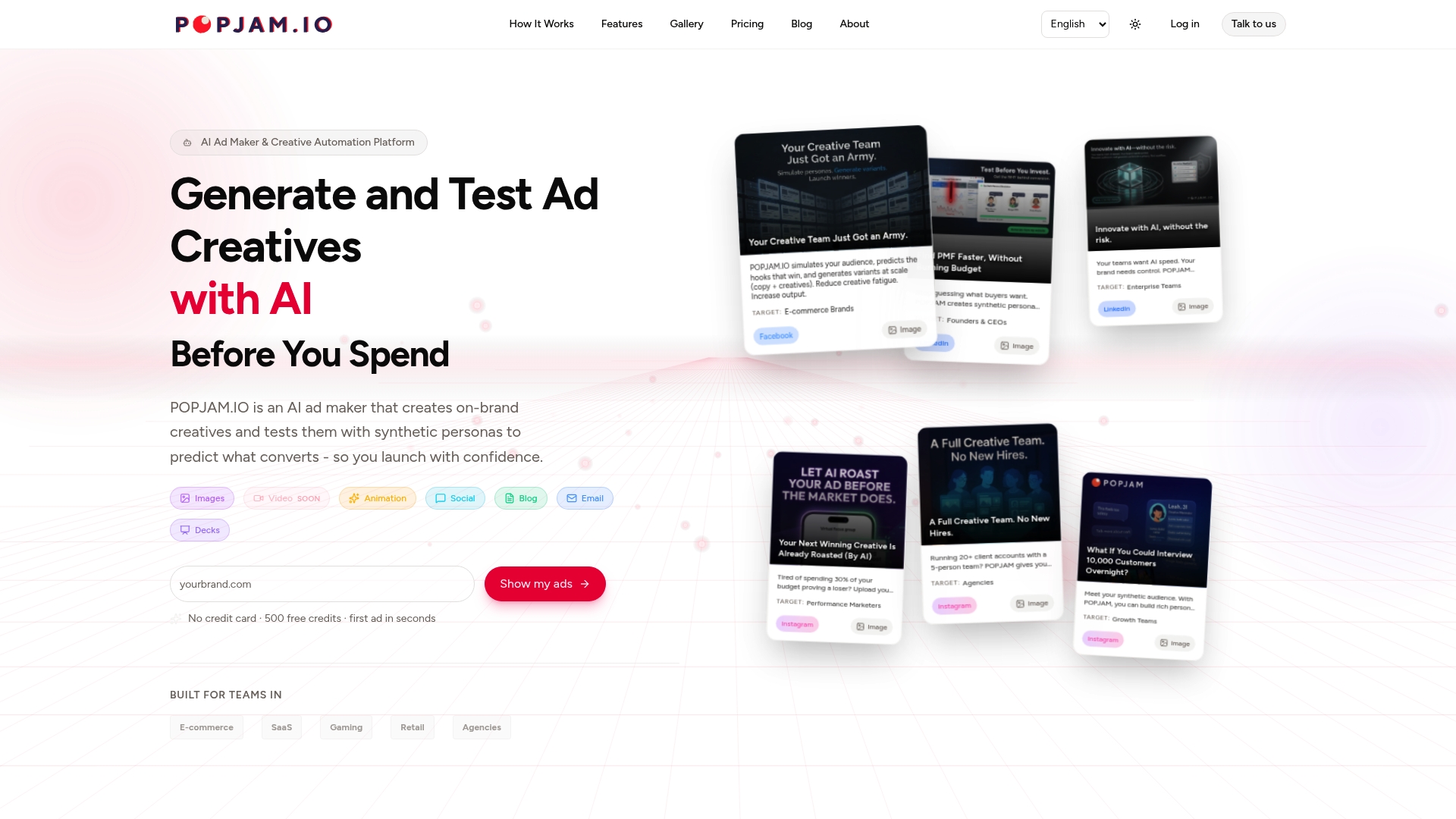
Platform, Meta, Google, TikTok, LinkedIn ve Reddit genelinde görsel, video, animasyon, sosyal gönderi, e-posta ve sunum formatlarını kapsar. Böylece statik reklam veya tam video fikri test etseniz de aynı iş akışı geçerlidir. Bu, az kaynakla çalışan ekiplerde en önemlidir: E-ticaret markaları, ajanslar ve SaaS büyüme ekipleri altı haftalık nöropazarlama çalışmasına her zaman bütçe ayıramaz; ama harcama canlıya gitmeden gerçek sinyale yine ihtiyaç duyar. POPJAM’in sentetik persona geri bildirimi o sinyali hızla verir; alan daraldığında doğrulayıcı insan anketine sorunsuz devir için tasarlanmıştır. Araştırmacıların dayandığı doğrulama disiplinini korur.
Bu çeyrekte hangi fikirlerin tam üretim bütçesini hak ettiğini tartıyorsanız yapay zekâ reklam oluşturucusuyla başlayın ve medyaya tek dolar ayırmadan kısa listenizi sentetik testten geçirin.
Kaynaklar
- Reklam Fikri Testi Araştırması - Drive Research
- Reklam Fikri Testi Nedir? Hızlı Rehber | Myth Labs
- “Reklam Fikri Testi” Nedir? | Quirk’s Pazarlama Araştırması Terimleri Sözlüğü
- Reklam Testi: Anlamı ve Medyaya Harcamadan Önce Nasıl Yapılacağı | Merren
Sık sorulan sorular
Reklam testi ne demektir?
Reklam testi, kaba fikirden bitmiş uygulamaya herhangi bir aşamadaki reklam içeriğini yayından önce netlik, beğenilme ve satın alma niyetini ölçmek için örneklem kitleye göstermektir.
Fikir testinin amacı nedir?
Amaç, üretim ve medya bütçesi ayırmadan önce hedef kitlenizde hangi kreatif yönün karşılık bulduğunu belirlemektir. Böylece zayıf mesajı düzeltmesi hâlâ ucuzken yakalarsınız.
Fikir testinde yaygın kullanılan yöntem nedir?
Tekli veya sıralı tekli değerlendirme tasarımlı çevrimiçi anketler en yaygın yöntemlerdendir; hızlı ve uygun maliyetlidir, iki ila dört fikri istatistiksel güvenle karşılaştırabilir.
Aynı anda kaç fikir test etmeliyim?
Çoğu araştırma programı proje başına iki ila dört fikir test eder. Bu aralık, katılımcıları veya bütçeyi bunaltmadan fikirler arasında yeterli ayrım sağlar.
Yapay zekâ reklam fikri testinde insan panellerinin yerini alabilir mi?
POPJAM’in kullandığı gibi yapay zekâ simülasyonlu persona testi, erken elemeyi hızlandırır ve keşfedebileceğiniz fikir sayısını artırır. Ancak büyük medya harcaması ayırmadan önce doğrulayıcı insan paneli hâlâ önerilir.
Önerilenler
- Reklam Kreatifleri Yayından Önce Nasıl Test Edilir? (2026 Rehberi) | POPJAM.IO Blog
- Ücretsiz Yapay Zekâ Reklam Test Aracı | Harcamadan Önce Reklamları Test Edin | POPJAM.IO
- Yayın Öncesi Kreatif Testi: Küçük Ekipler İçin 2026 Uygulama Rehberi | POPJAM | POPJAM.IO Blog
- Yayınlamadan Önce Reklam Kreatifi Nasıl Test Edilir? | POPJAM | POPJAM.IO Blog